
A field guide to creatures that evolve
150 species shaped by water, frost, darkness and city noise. Each one grows from a real animal, plant or fossil and one bold adaptation.
- species
- 150
- habitats
- 10
- evolution lines
- 27

What is an Evolume
Not an animal with magic stuck on. A new species that could plausibly live in this world.
A real origin
Every Evolume starts from a living animal, a dinosaur, a plant or a fungus you would recognize.
One bold idea
Light, crystals, sound, electricity or regeneration — a single adaptation defines the species.
Its own logic
Look, abilities, behavior and evolved forms all follow from that idea and its environment.
Ten habitats to explore
Every habitat has its own pressures, and its own creatures that answered them.
 Water and Wetlands15 species
 Forests, Plants and Fungi15 species
 Insects and Other Arthropods15 species
 Ancient and Extinct Fauna15 species
 Air, Heights and Flight15 species
 Desert, Stone and Heat15 species
 Night, Twilight and Uncanny Senses15 species
 Cold, Ice and Polar Seas15 species
 Underground, Caves and Volcanic Zones15 species
 Cities, Machines and New Ecosystems15 species
Field encounters
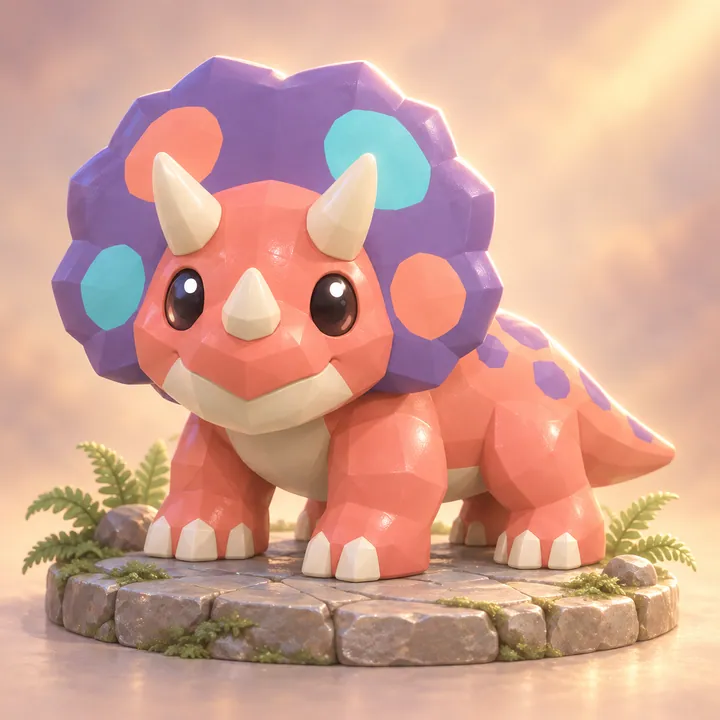
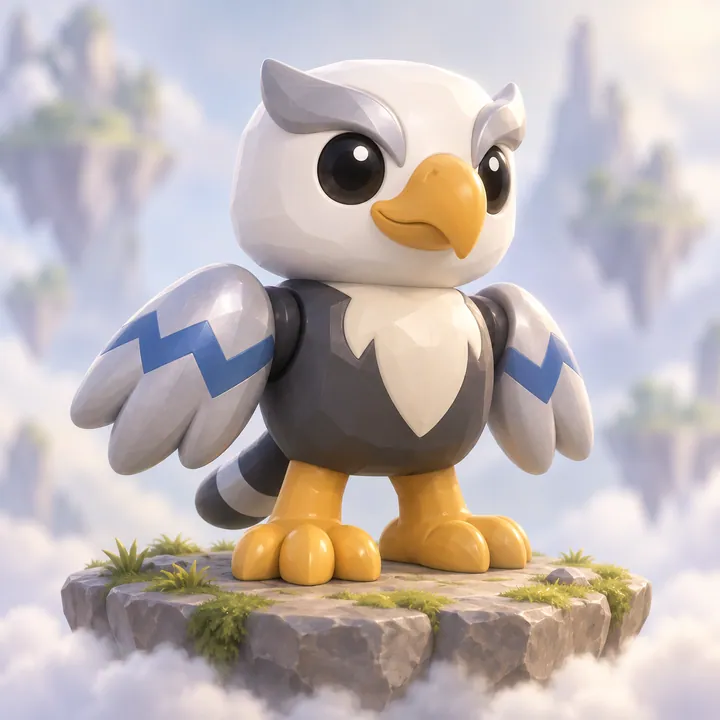
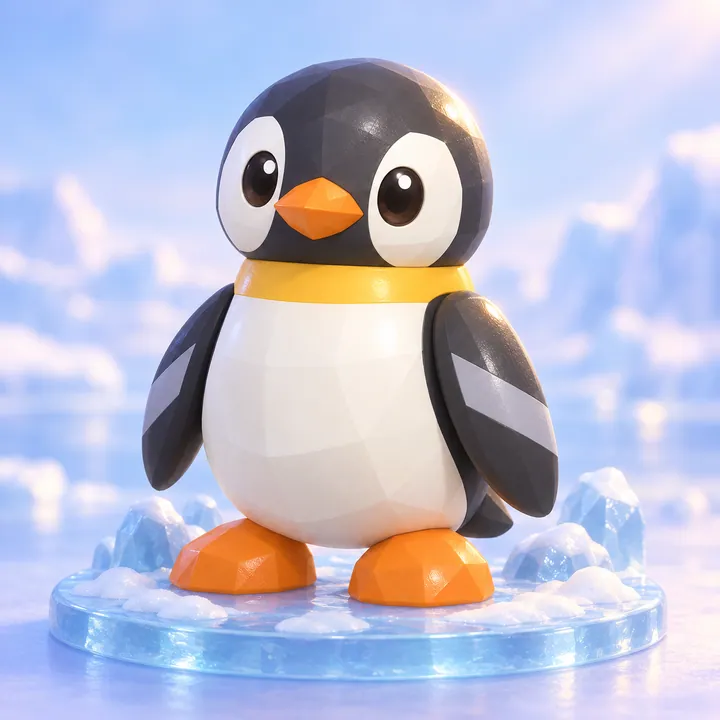
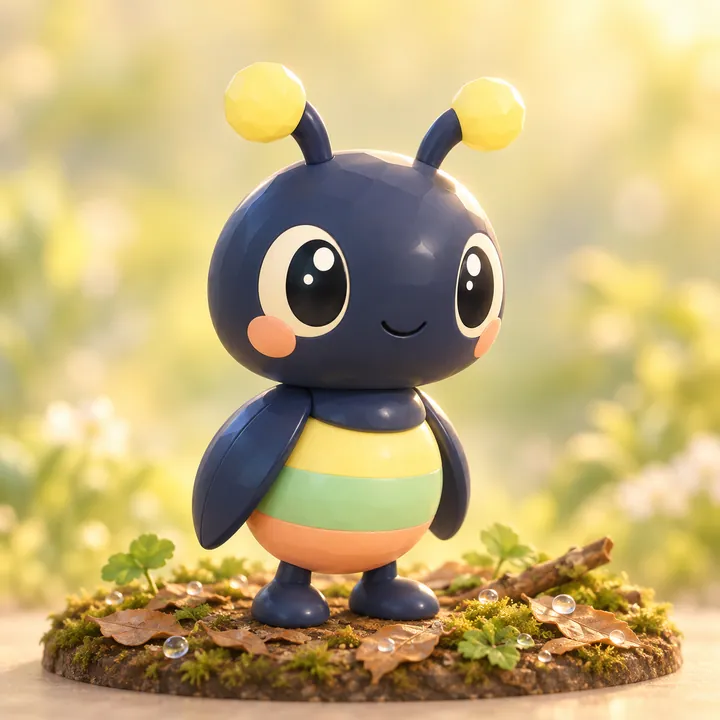
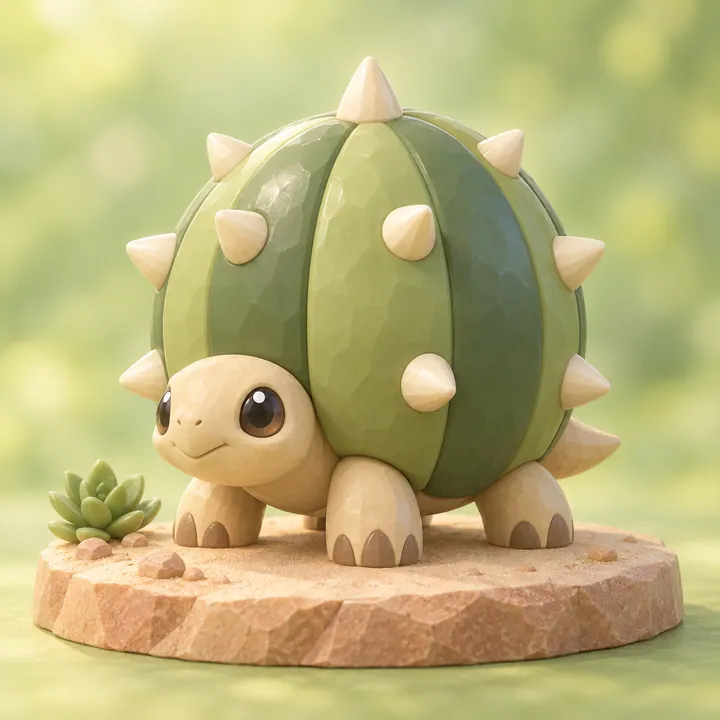
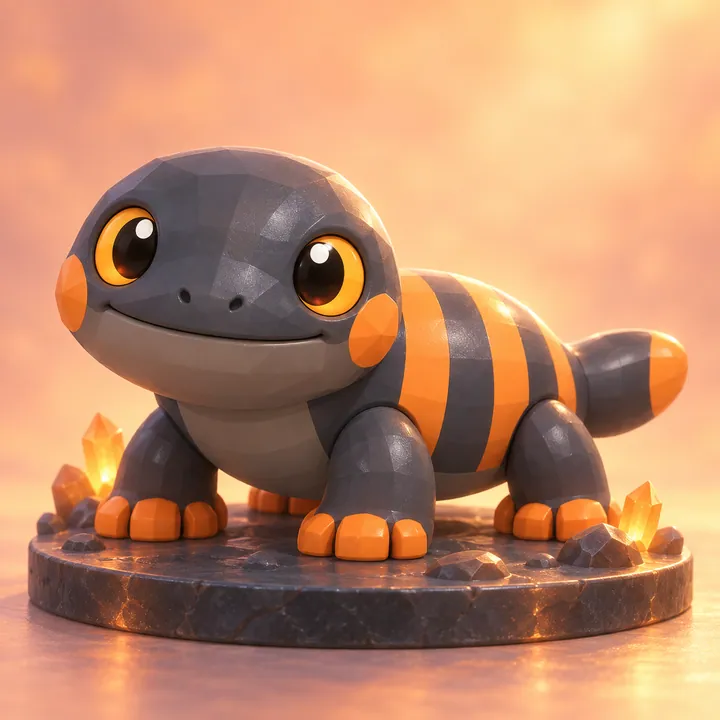
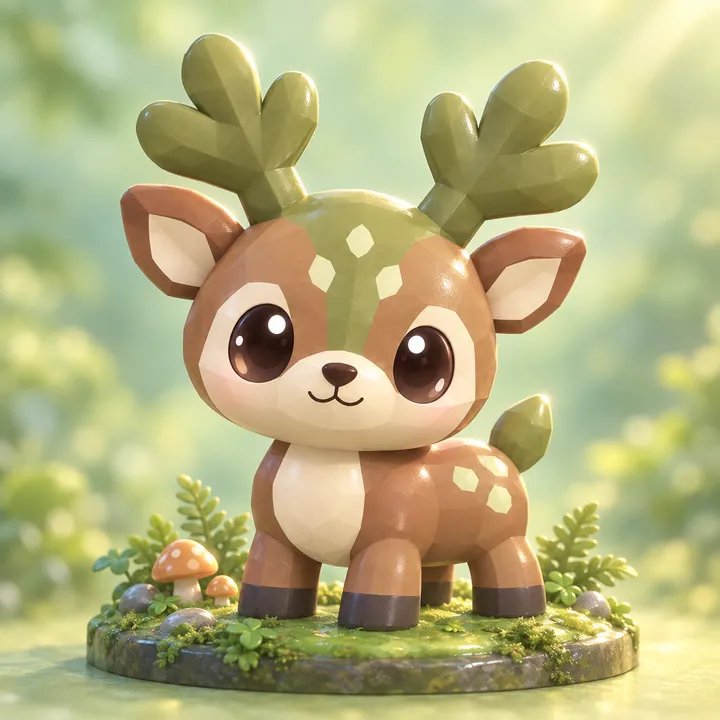
A few of the species you may meet on your first expedition.




13 ways to adapt
A type is not a biological class. It is the main way a creature deals with its world.
 FlowWater, moisture, pressure, swimming, liquids, hydrodynamics.
 GrowthPlants, fungi, photosynthesis, seeds, regenerative and symbiotic growth.
 MineralStone, crystals, metal, salts and mineralized tissues.
 HeatHigh temperatures, volcanism, storing and transferring heat.
 FrostCold, ice, snow, slowed metabolism and polar adaptations.
 ChargeElectricity, magnetic fields, static and electroreception.
 GaleFlight, gliding, air currents, pressure and aerodynamics.
 LightBioluminescence, reflection, color signals, optics and ultraviolet.
 ShadeStealth, nocturnal life, mimicry, camouflage and ambush.
 ResonanceSound, vibration, echolocation, seismic sensitivity and acoustic communication.
 ShellArmor, chitin, shells, plates, defensive curling and mechanical toughness.
 ToxinVenoms, corrosive substances, chemical defense, aggressive biochemistry and sulfurous environments.
 InstinctStrength, speed, stamina, hunting, reflexes, behavior and finely honed natural skills.
One origin, opposite futures
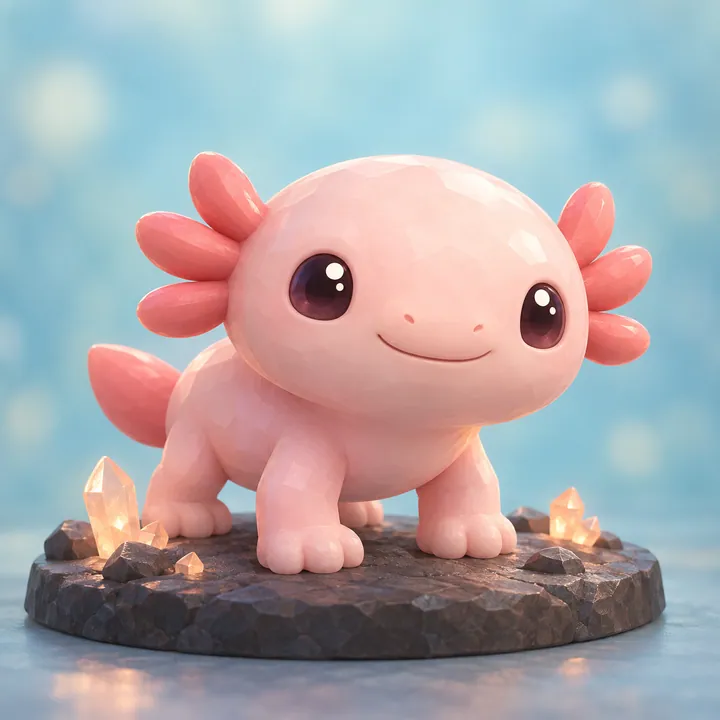
Near hot springs, Axolume's glowing gills turn into heat exchangers. In cold, lightless caves, sight fades and scent takes over. Same species, two forms.
See all evolution lines